Representative packaging solution
Correcting Packaging Problems from a Previous Food-Pouch Supplier
When a food brand receives pouches with leaks, wrinkles, inconsistent dimensions, color shifts or poor line performance, simply copying the old specification can repeat the same problem. The corrective path starts by separating symptoms from root causes.
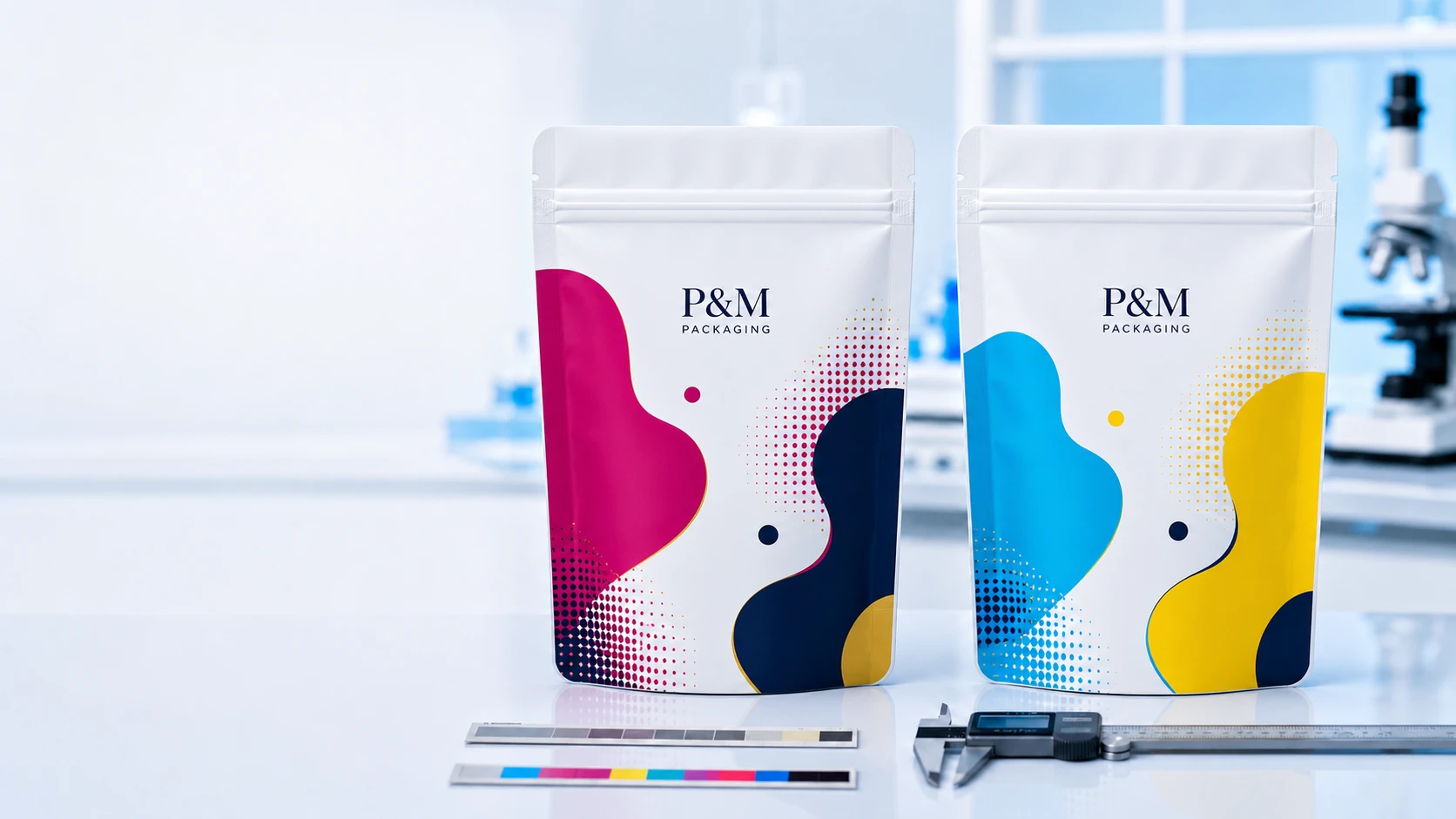
Representative packaging solution—not a customer case study. It illustrates a realistic project path without identifying or inventing a customer, order, testimonial, or performance result.
Direct answer
A packaging supplier transition should document the defect, preserve samples and production records, review the product and filling process, measure the package, identify likely material, converting, sealing, artwork or distribution causes, then validate a corrected specification through controlled samples or trials before volume production.
The project problem
Start with the risk, not the decoration.
Reported symptoms may include leaking seals, wrinkled tops, weak gussets, film curl, delamination, odor, scuffing, registration shift, zipper problems, size variation, filling jams, color inconsistency, or early loss of freshness. Several causes can produce the same symptom.
Review the complete solution, specification, and evidence plan Technical detail
Coordinated solution
One project path, with separate technical approvals.
Preserve evidence before changing anything
Collect unopened and failed packs, lot and date codes, supplier specification, approved artwork, filling settings, seal conditions, photos, complaint pattern, storage, transport and timing.
Separate package and process causes
Review film, adhesive, cure, converting, zipper, gussets, seals and tolerances alongside product contamination, filling alignment, temperature, pressure, dwell, cooling, handling and distribution.
Create a corrected controlled specification
Define material layers and thickness, dimensions, sealant, zipper, seal areas, artwork, print tolerances, finish, coding, test requirements, retained samples and change-control responsibilities.
Validate before scaling
Use material samples, converted samples, filled trials, line trials and distribution tests in proportion to the risk. Approve measured evidence rather than appearance alone.
Specification direction
What can be proposed—and what still requires confirmation.
ComponentWorking directionConfirm before production
Defect definitionMeasured symptom, location, frequency and lot patternSamples, photos, timing, filling data and complaint records
MaterialVerified laminate and sealant specificationLayers, thickness, barrier, compatibility, cure and supplier evidence
ConvertingControlled dimensions, zipper, gusset and sealsTolerances, registration, seal width, wrinkles, curl and workmanship
ProcessValidated filling, sealing and distribution conditionsTemperature, pressure, dwell, contamination, cooling, drops and storage
Evidence plan
Validation before a performance claim.
Testing depends on the final product, package, process, market, and risk. This list is a project-planning baseline, not a certification statement.
- Incoming material and dimensional checks
- Seal-strength, leak or burst methods as applicable
- Filled-product compatibility and shelf-life work
- Filling-line trial and seal-window study
- Distribution and storage evaluation
- First-article, retained sample and change control
What this scenario demonstrates
A credible corrective-action case documents what failed, why the chosen change addresses the cause, how the correction was tested, and what remains unproven.
Frequently asked questions
Can a new supplier copy an existing pouch and fix the problem?
A physical sample can help, but copying it may reproduce unknown material or process problems. Review the product, filling, original specification, failure evidence, dimensions, seals, distribution and required performance before issuing a corrected specification.
What evidence helps diagnose leaking food pouches?
Provide failed and unopened samples, lot information, leak location, photos, product and fill details, seal settings, production timing, storage, transport, complaint frequency, approved specification and artwork.
How do we know the corrected pouch is ready for production?
Use risk-appropriate material review, converted samples, filled-pack tests, line trials, seal evaluation, shelf-life and distribution work, followed by an approved specification and controlled production release.