 WhatsApp
Five Printing Routes
Digital, rotogravure, flexographic, full-rotary, and screen-printing equipment supports different substrates, run plans, color, and specialty-effect requirements.
Capabilities
Flexible packaging production equipment includes HP Indigo digital and Vision 520 web offset printing, gravure, flexographic, full-rotary, and screen printing; CTP plate making; dry and solventless lamination; eight-side-seal, stand-up zipper, and three-side-seal bag making; foil finishing; rewinding inspection; and slitting. The selected route depends on the approved package, material, artwork, quantity, tolerances, and quality plan.
Direct answer
P&M's owned Guangdong factory has three HP Indigo digital presses, including an HP Indigo 200K, plus rotogravure printing, a Vision 520 web offset press, CTP plate-making, dry-lamination, screen-printing, eight-side-seal bag-making, and rewinding inspection equipment documented in first-party media. The factory also maintains reviewed flexographic, full-rotary, solventless-lamination, specialty-finishing, and slitting routes. The quotation and approved packaging specification determine the exact press, cylinders or plates, substrate, ink and adhesive systems, quantity, timing, inspection plan, and production route for each project.
Verified equipment photographs
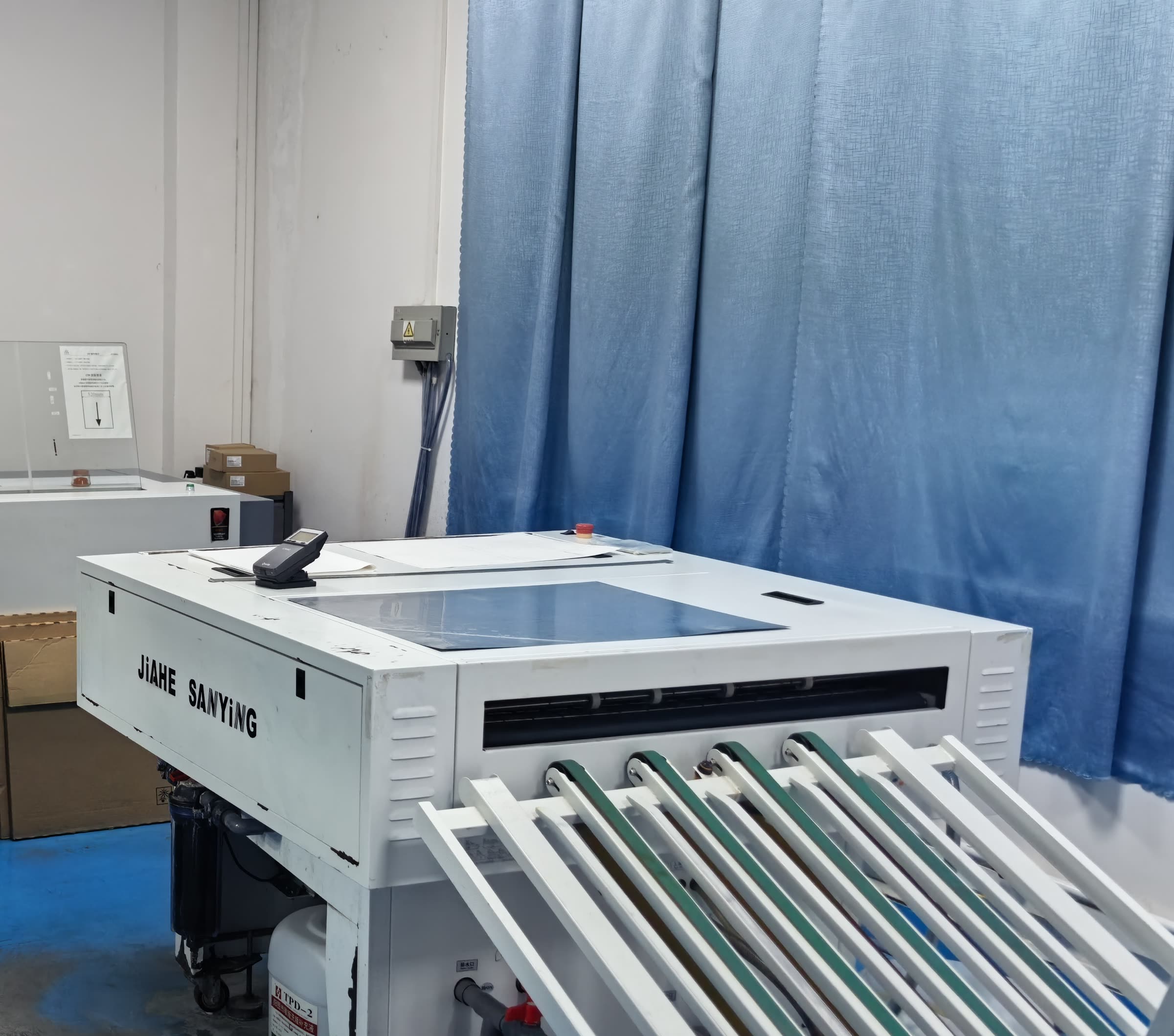
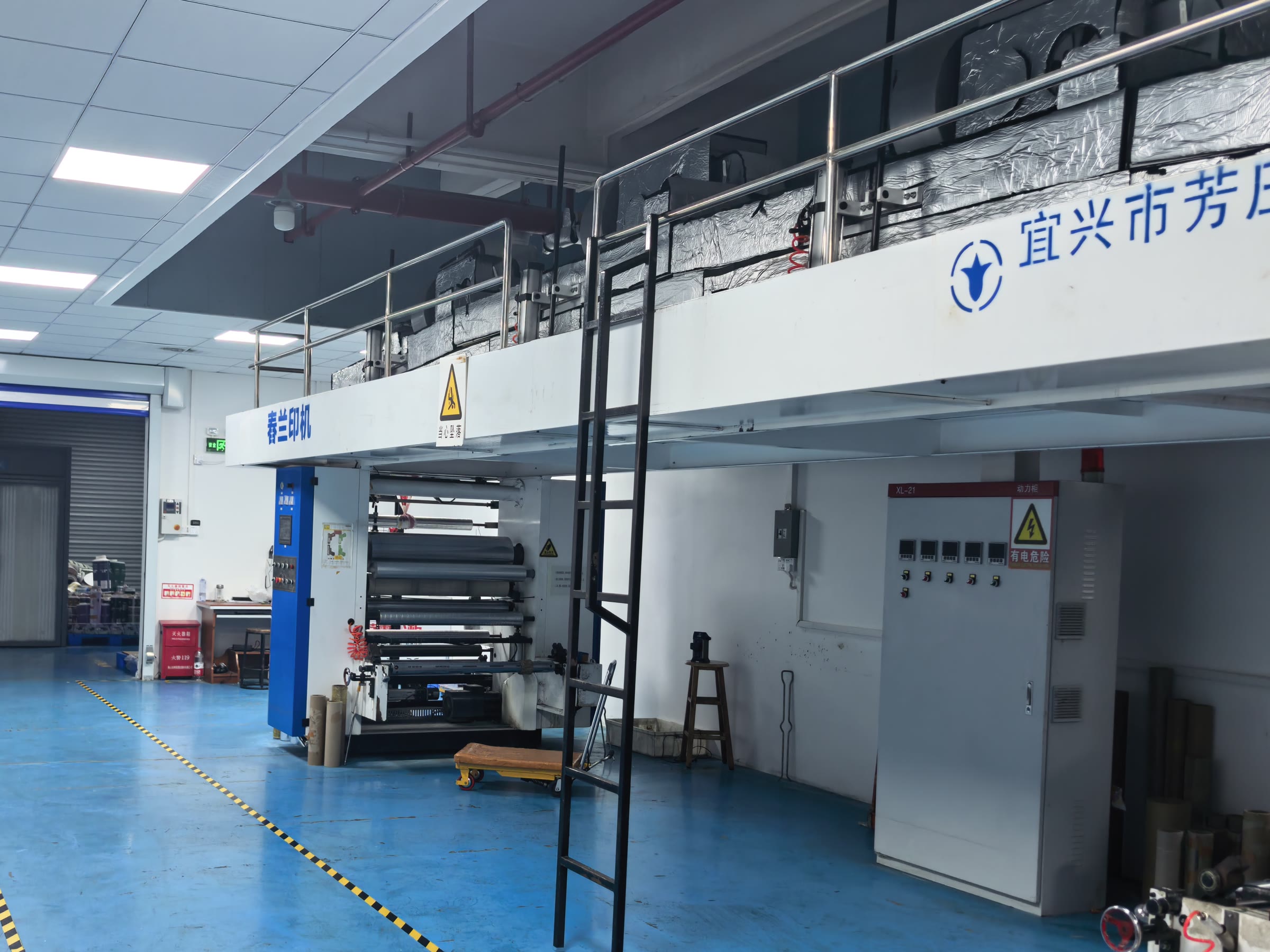
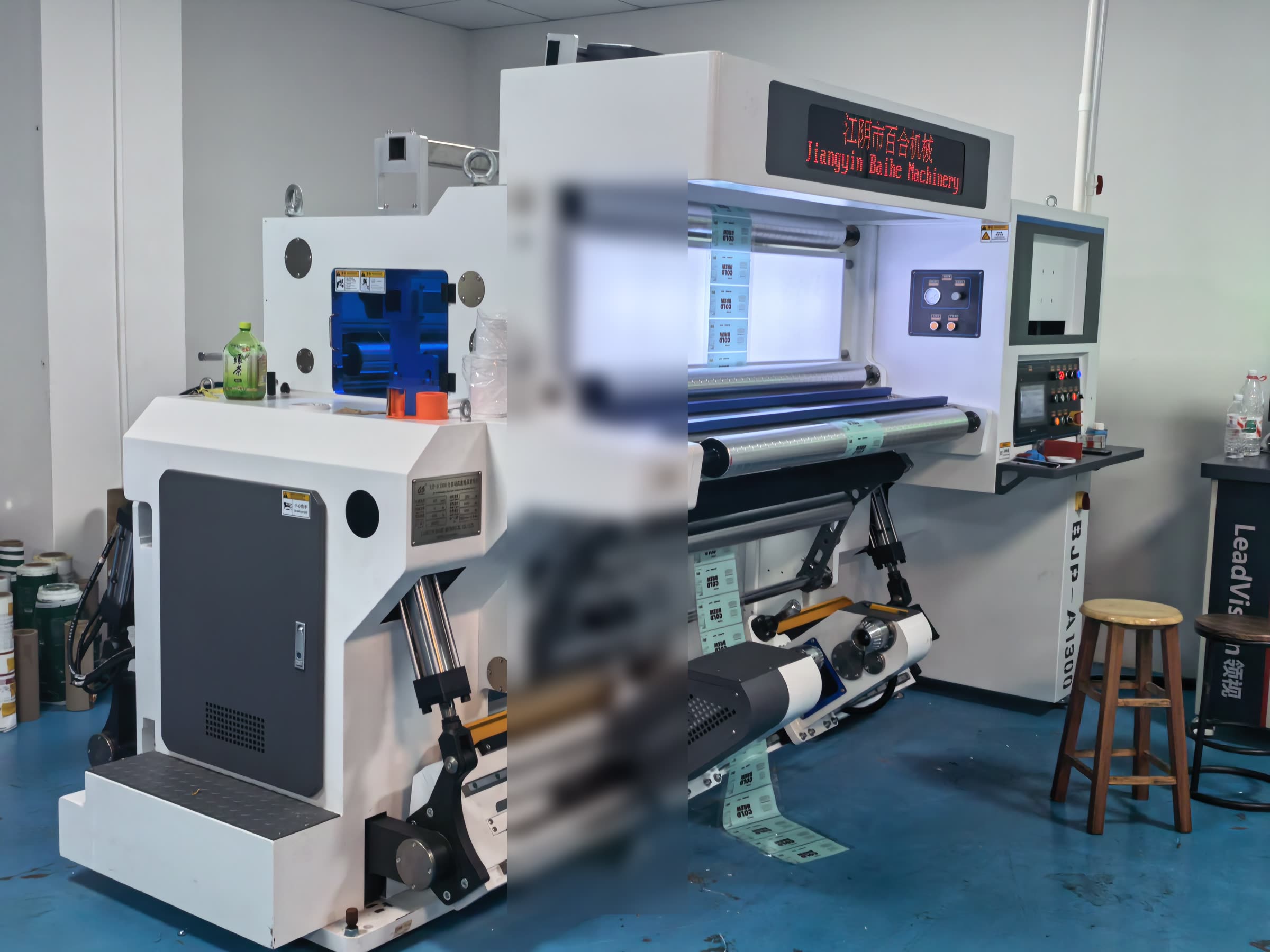
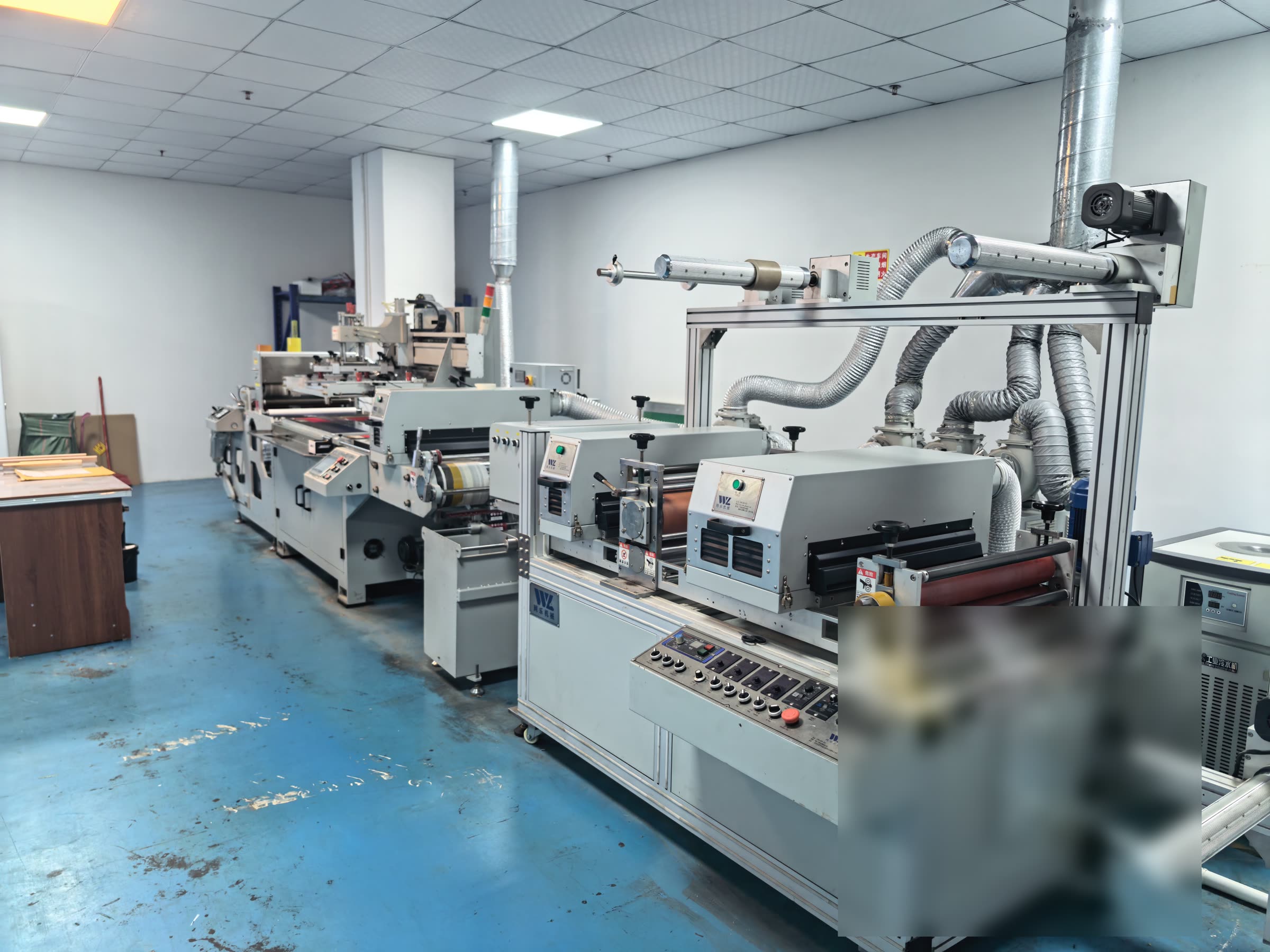
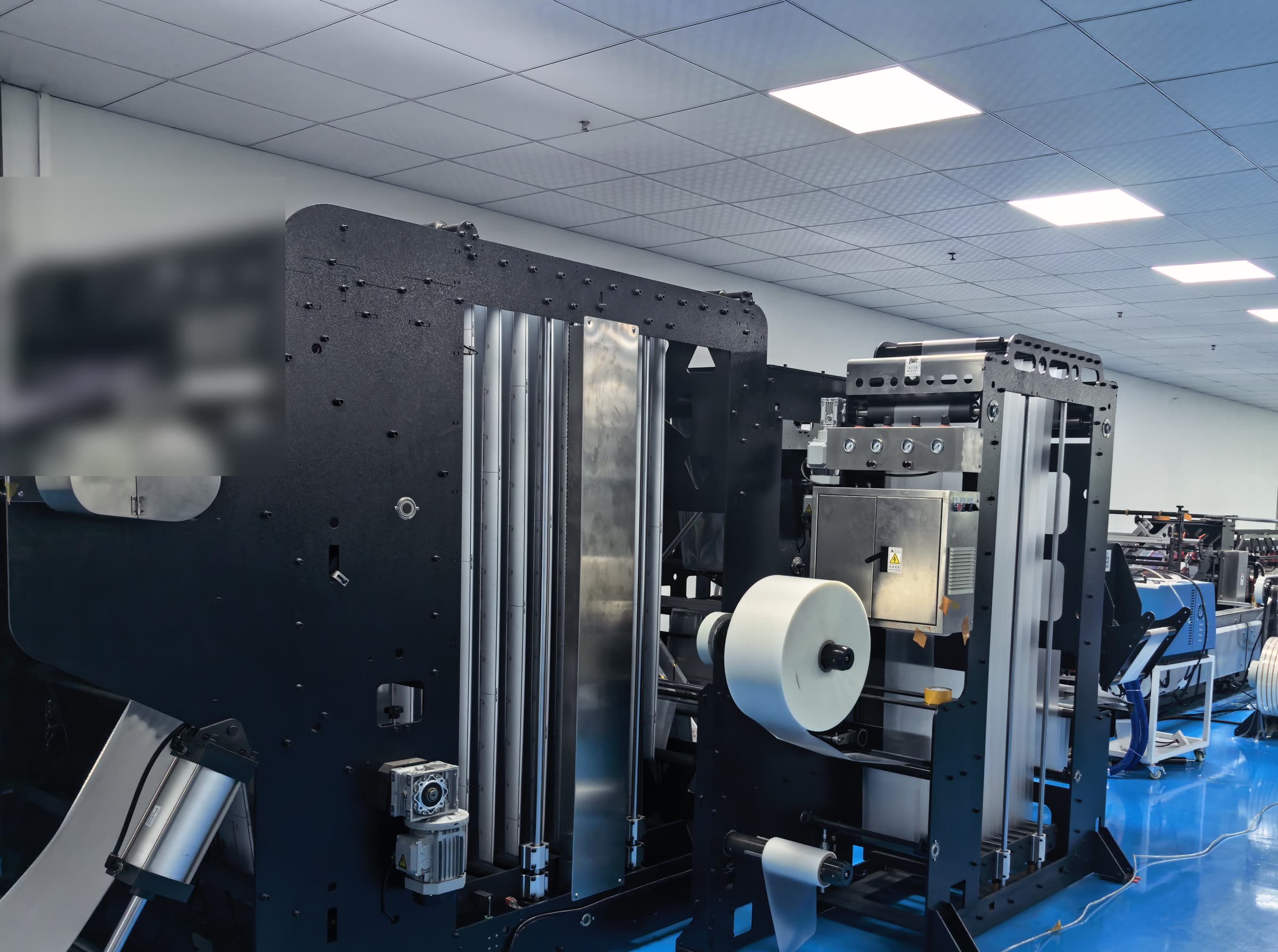
These permission-cleared photographs document named equipment and workshop context. Customer artwork, identifying screens, and identifiable employees were cropped or obscured before publication. Equipment presence does not replace a project-specific quotation, approved specification, proof, sample, or validation plan.
Verified factory evidence
P&M supplied these workshop excerpts and authorized their publication in August 2026. The clips are silent and sanitized: original audio, customer-identifying artwork and screen content, and identifiable employee footage are excluded.
Start with your need
No finished specification required. Send a product or reference photo on WhatsApp.
Digital, rotogravure, flexographic, full-rotary, and screen-printing equipment supports different substrates, run plans, color, and specialty-effect requirements.
Dry and solventless lamination equipment is selected around the approved structure, adhesive system, performance, curing, and application requirements.
Eight-side-seal, stand-up zipper, and three-side-seal bag-making equipment converts approved laminates into application-specific pouch formats.
Foil, die cutting, screen effects, inspection, and slitting operations support finished appearance, roll control, and defect review.
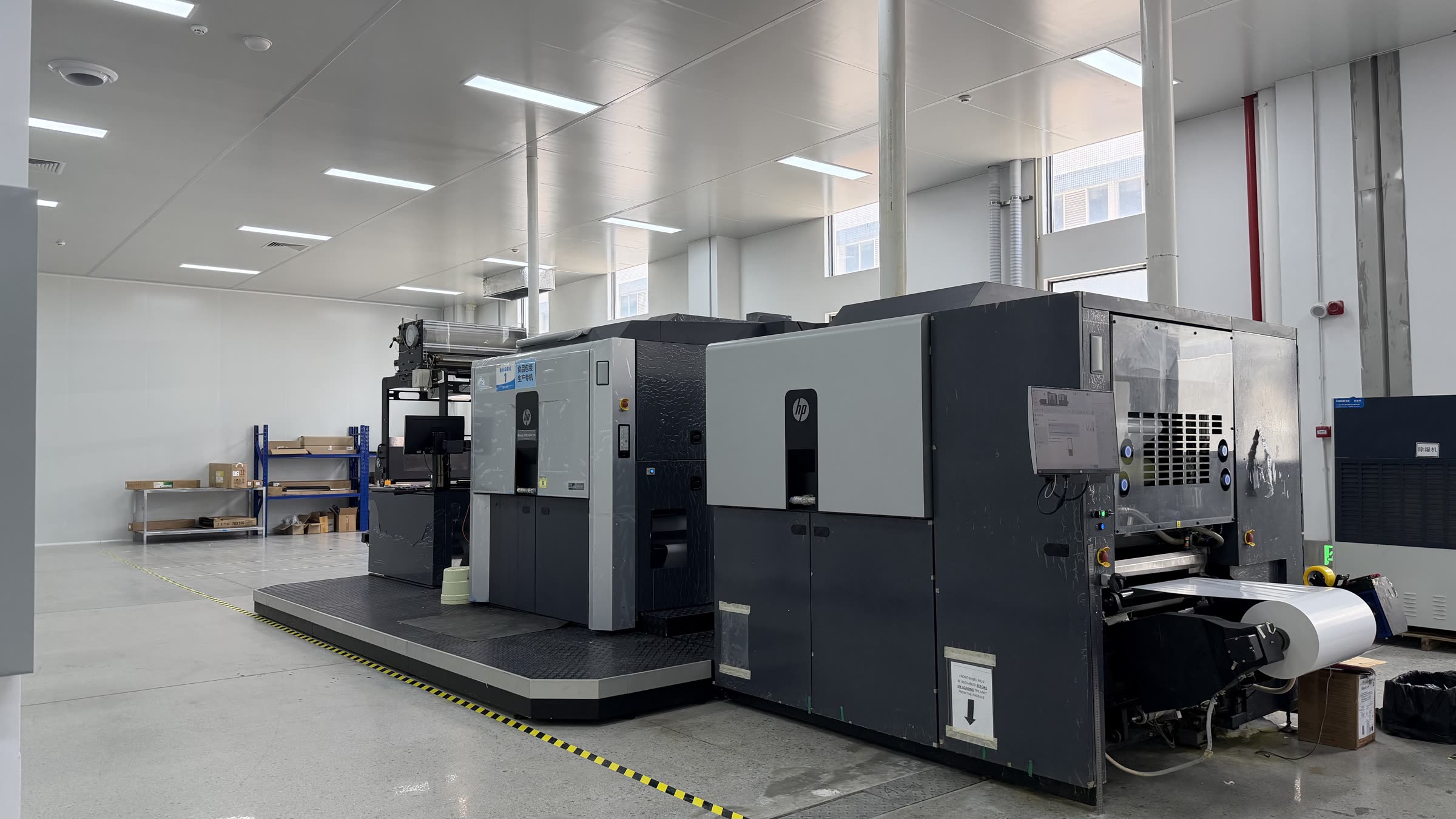
P&M confirms that its owned Guangdong factory operates three HP Indigo digital presses. The supplied workshop media visibly confirms an HP Indigo 200K and documents the digital-printing environment. This evidence supports the stated factory and equipment context; it does not determine which press, substrate, color configuration, minimum quantity, schedule, or finished performance applies to a buyer's project.
The workshop contains three HP Indigo digital presses. The exact model and production assignment for a specific job are confirmed during technical review and quotation.
The supplied first-party media visibly identifies an HP Indigo 200K in the workshop, supporting its inclusion in P&M's reviewed flexible-packaging production routes.
Digital printing can be evaluated for suitable launch, seasonal, versioned, variable-data, and multi-SKU programs without conventional gravure cylinders or flexographic plates.
Workshop images and video do not replace an approved specification, proof, sample, line trial, inspection plan, or written production commitment for the exact package.
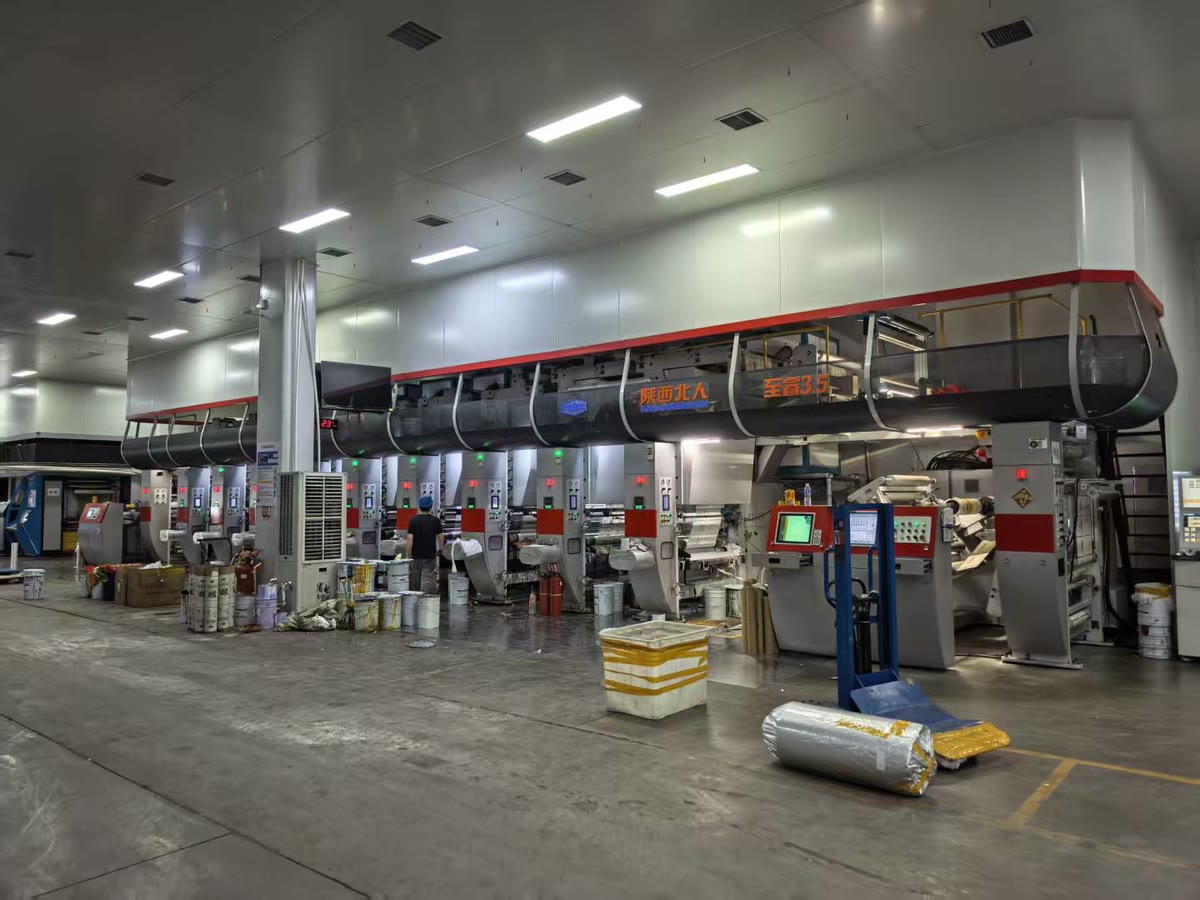
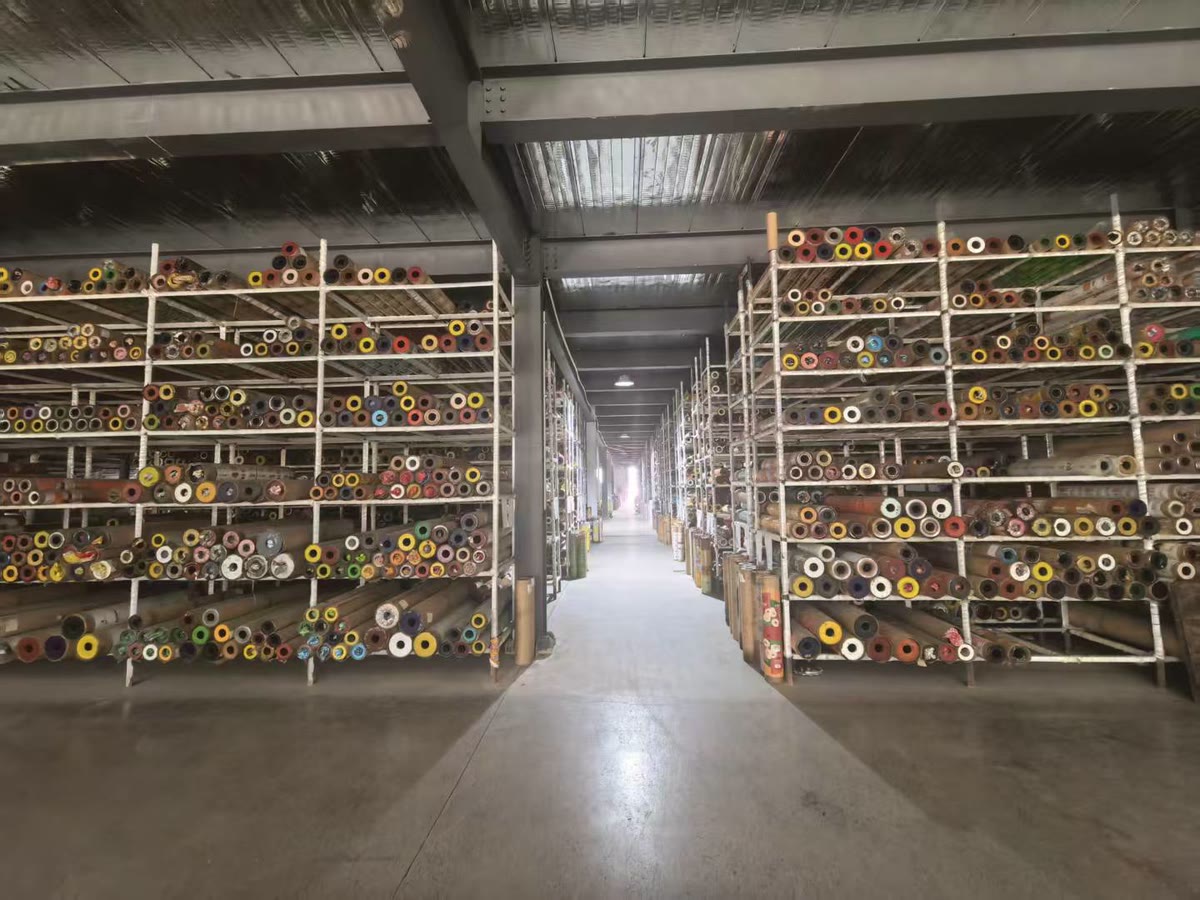
P&M identifies the supplied photographs as its rotogravure printing workshop in the owned Guangdong factory. The images document the workshop, press-line context, and associated cylinder storage area without identifying a customer or active production job. They do not establish the exact press manufacturer, model, color count, web width, speed, capacity, or suitability for a buyer's package.
The supplied first-party photograph supports the presence of a rotogravure press line in P&M's owned Guangdong factory. Exact equipment configuration and job assignment remain subject to technical review.
A separate first-party photograph documents the associated cylinder storage area. It does not establish the number, ownership, customer, artwork, condition, or current production status of individual cylinders.
Cylinder requirements and fees, substrate, ink system, colors, white coverage, registration, proofing, quantity, timing, and inspection criteria are confirmed in the quotation and approved specification.
Workshop photography confirms factory context; it does not replace an approved artwork proof, color standard, sample, inspection plan, or written production commitment.
Printing equipment is selected after reviewing the substrate and laminate, package format, dimensions, artwork count, color and opacity requirements, finish, quantity per SKU, repeat-order plan, registration, proofing, and total economics. Full-rotary and screen-printing equipment may be assigned to compatible specialty packaging or effect work rather than the main pouch web.
HP positions the 200K for on-demand flexible-packaging production with fast setup, batching or ganging, and variable-data workflows. P&M confirms the actual substrate, color target, quantity, timing, and press assignment for each project.
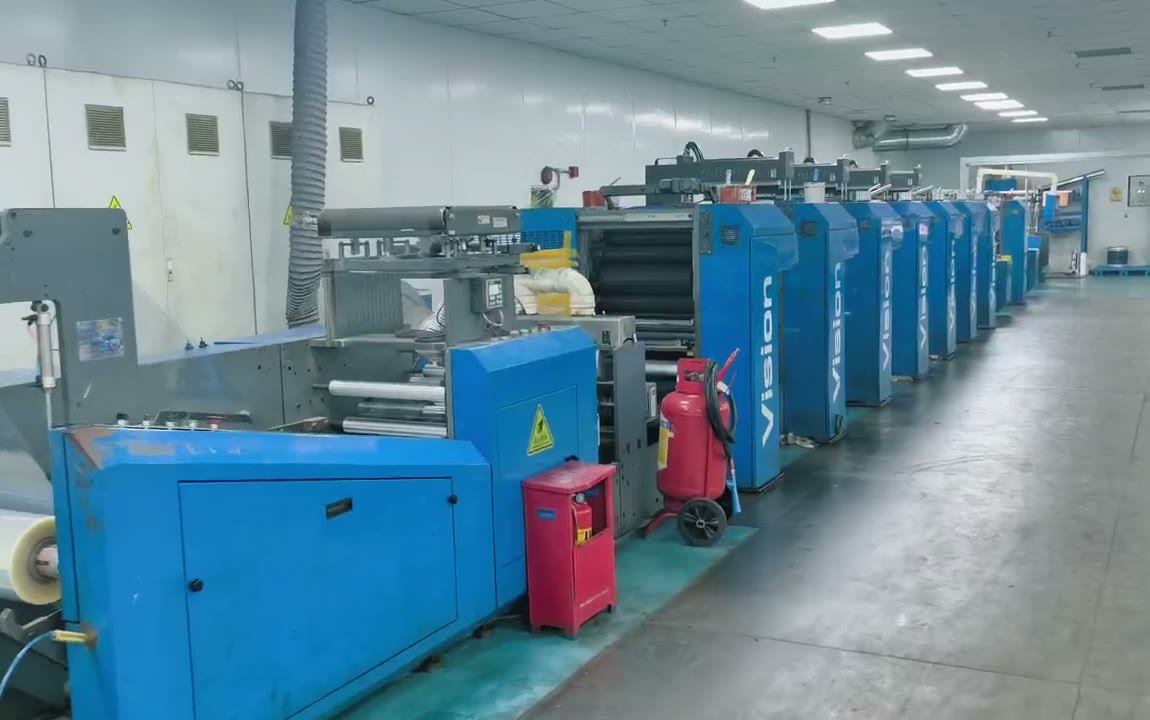
The supplied first-party media documents the named Vision 520 web offset press. P&M confirms the compatible substrate, repeat, plate workflow, color target, finish, quantity, and press assignment for the approved job.
The supplied first-party media documents CTP plate-making equipment. Plate preparation, screening, calibration, proofing, and the selected print route are confirmed against the approved artwork and production specification.
A conventional web-printing route considered for demanding color programs and repeat production where cylinders, materials, setup, and run economics fit the project. Exact press configuration and color count are confirmed per job.
A flexible-plate web-printing route reviewed around the film or paper substrate, ink system, colors, repeat, registration, finish, quantity, and converting requirements.
A continuous rotary route reviewed for compatible specialty packaging work. The exact process, substrate, repeat, tooling, and finishing sequence are confirmed per project.
A specialty route considered for selected opaque, tactile, spot-color, coating, or decorative effects where screen mesh, ink or coating, cure, adhesion, and substrate flexing are compatible.
Lamination combines printed and functional web layers into the approved structure. Adhesive chemistry, coating weight, bond, cure, residuals, barrier, product contact, sealing, filling, storage, and applicable documentation must be confirmed for the complete laminate.
A solvent-based or otherwise specified dry-lamination route reviewed around the films, adhesive system, drying, cure, bond performance, barrier, and final application.
A solventless adhesive route considered where the films, coating and mixing control, cure, bond, migration or odor requirements, converting schedule, and application support it.
Bag-making begins only after web structure, print, cure, slit, dimensions, seals, gussets, zipper or other features, tolerances, and inspection requirements are approved. Product-fit and filling trials remain important because nominal bag dimensions do not prove usable volume or line compatibility.
Converts suitable laminates into flat-bottom or box-pouch structures with multiple panels and seals, subject to dimensions, gussets, zipper, stiffness, load, and converting review.
Produces compatible bottom-gusset pouches with a reviewed zipper, seal layout, tear feature, opening, fill access, shelf stance, and finished-bag specification.
Produces flat pouches with three sealed sides for suitable samples, portions, masks, powders, food, and other reviewed applications.
Specialty finishing equipment supports qualified paper-based and compatible specialty packaging components. The finish route must be matched to the actual substrate and geometry; a paperboard finishing process should not be assumed to run directly on every flexible pouch laminate or shrink sleeve.
Supports compatible die-cut shapes and heat-and-pressure foil effects using approved tooling, foil, substrate, registration, detail size, and finishing sequence.
Supports selected spot screen effects and cold-foil decoration where the adhesive or coating, transfer material, cure, registration, substrate, and downstream converting are compatible.
Inspection and slitting convert and control printed or laminated webs before roll delivery or bag making. The approved job should define the defects, tolerances, roll configuration, splice rules, traceability, and sampling or inspection plan rather than relying only on the presence of equipment.
Supports rewinding and review of specified print, registration, appearance, web, splice, and other detectable conditions against the approved standard, roll requirements, and inspection plan.
Converts master webs to approved widths and roll configurations while controlling edges, winding, tension, core, outside diameter, roll weight, and splice requirements.
No single machine list proves that a package is suitable for a product or filling line. P&M assigns the production route using the approved dimensions, substrate, laminate, print and finish, pouch format, closure or fitment, quantity, tolerances, quality plan, filling method, application, and delivery requirements.
Packaging Knowledge Center
Use these practical articles to prepare specifications, identify project risks, and ask better questions before sampling or production.
P&M confirms that the digital printing workshop contains three HP Indigo digital presses, including an HP Indigo 200K. The exact press assigned to a project depends on the approved substrate, dimensions, artwork and SKU plan, color and finish requirements, quantity, proofing, schedule, and total production route.
The route may use an HP Indigo digital press, rotogravure, flexographic, Vision 520 web offset, or another compatible process. Selection depends on substrate, package, dimensions, artwork count, colors, finish, quantity per SKU, proofing, repeat orders, and total economics; the exact press configuration is confirmed per job.
The equipment list includes eight-side-seal or flat-bottom, stand-up zipper, and three-side-seal bag-making machines. Final feasibility depends on the approved dimensions, laminate, gussets, zipper or other features, seals, tolerances, product fit, and filling process.
They use different adhesive, application, drying or curing, and process-control routes. The correct choice depends on the films, barrier, bond, product and conditions of use, residual or odor requirements, converting schedule, validation, and applicable documentation.
Not necessarily. The production route depends on the package format, material, process and project requirements. P&M coordinates the approved path and confirms where applicable operations are performed.
No. Hot foil, cold foil, screen effects, and die cutting depend on the substrate, package component, geometry, heat or cure sensitivity, tooling, registration, detail size, lamination and converting sequence. Some equipment is more suitable for paper packaging or specialty components than for a finished flexible pouch.