Direct answer
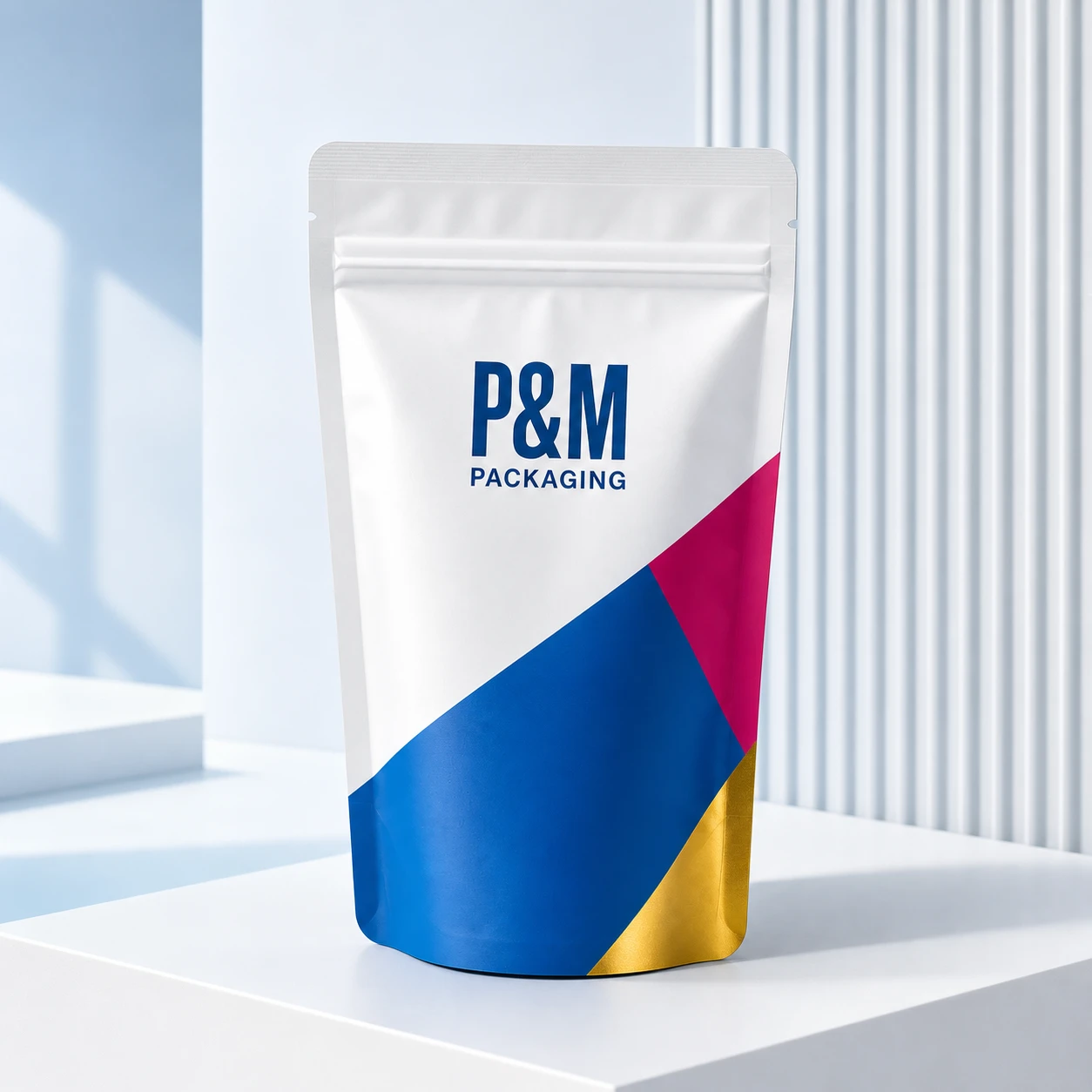
The main stand-up pouch configurations include standard heat-sealed pouches, resealable zipper pouches, window pouches, valve coffee pouches, spouted pouches, shaped pouches, and specialty closure formats. Specify one by defining the product, fill weight or volume, bottom gusset and dimensions, filling method, barrier, seals, opening, reclosure or dispensing, print, and validation needs.
What are the main types of stand-up pouches?
A standard stand-up pouch uses a bottom gusset to create shelf stance and may be sealed after filling without a reclosure. A zipper pouch adds repeated access. A window pouch adds product visibility but changes the light and barrier discussion. Coffee pouches may add a degassing valve, while liquid or refill pouches may use a spout and cap.
Shaped pouches, child-resistant concepts, particle-resistant zippers, sliders, handles, hang holes, laser scores, and specialty features can solve specific needs, but each affects seals, filling, tooling, geometry, testing, and order requirements.
Size the pouch around the product
Width, height, bottom gusset, zipper position, top-seal area, headspace, fill weight or volume, product bulk density, piece dimensions, and package weight determine fit and shelf behavior. Two products at the same net weight may need different pouch sizes.
Use product-fit samples or prototypes to check filling access, usable volume, gusset deployment, shelf stance, opening width, scoop or pour access, and artwork panel visibility before production dimensions are frozen.
Specify material performance separately from pouch type
Oxygen, moisture, aroma, oils, light, puncture, stiffness, low or high temperature, sealability, flexing, product contact, and shelf-life targets guide the complete structure. Calling a bag a stand-up pouch does not define these properties.
The validation plan may include compatibility, barrier or shelf-life work, filling-line trials, seal integrity, zipper cycles, valve or spout checks, opening, drop and distribution, print rub, coding, and application-specific documentation.
Prepare a stand-up pouch RFQ
Provide enough information to separate confirmed requirements from features that still need engineering review.
- Product, fill weight or volume, and bulk density
- Target pouch dimensions or reference sample
- Filling and sealing method
- Barrier, shelf-life, and storage needs
- Zipper, window, valve, spout, tear, or other features
- Quantity by size and artwork
- Testing, artwork status, destination, and timing
General educational information only. Materials, performance, compliance, claims, quantities, and timing require confirmation for the exact packaging project.