 WhatsApp
Single-Serve Dosing
Sachets, packets, and supported stick-format concepts sized around the dose, product flow, and how the consumer opens and uses the pack.
Sachet and stick pack packaging
Develop single-serve sachets and supported stick-format packaging around the product, dose, filling equipment, film structure, and artwork—coordinated as an equipment-ready system from printed rollstock through line validation.
Direct answer
A sachet is a small flat single-serve pack sealed on three or four sides; a stick pack is a narrow tube-shaped format sized for pouring a single dose into a bottle or mouth. Both are usually formed, filled, and sealed from printed rollstock on packaging equipment rather than supplied premade, so the film, web layout, dose, and machine must be specified together. Formats and final suitability are confirmed per project.
Start with your need
No finished specification required. Send a product or reference photo on WhatsApp.
Sachets, packets, and supported stick-format concepts sized around the dose, product flow, and how the consumer opens and uses the pack.
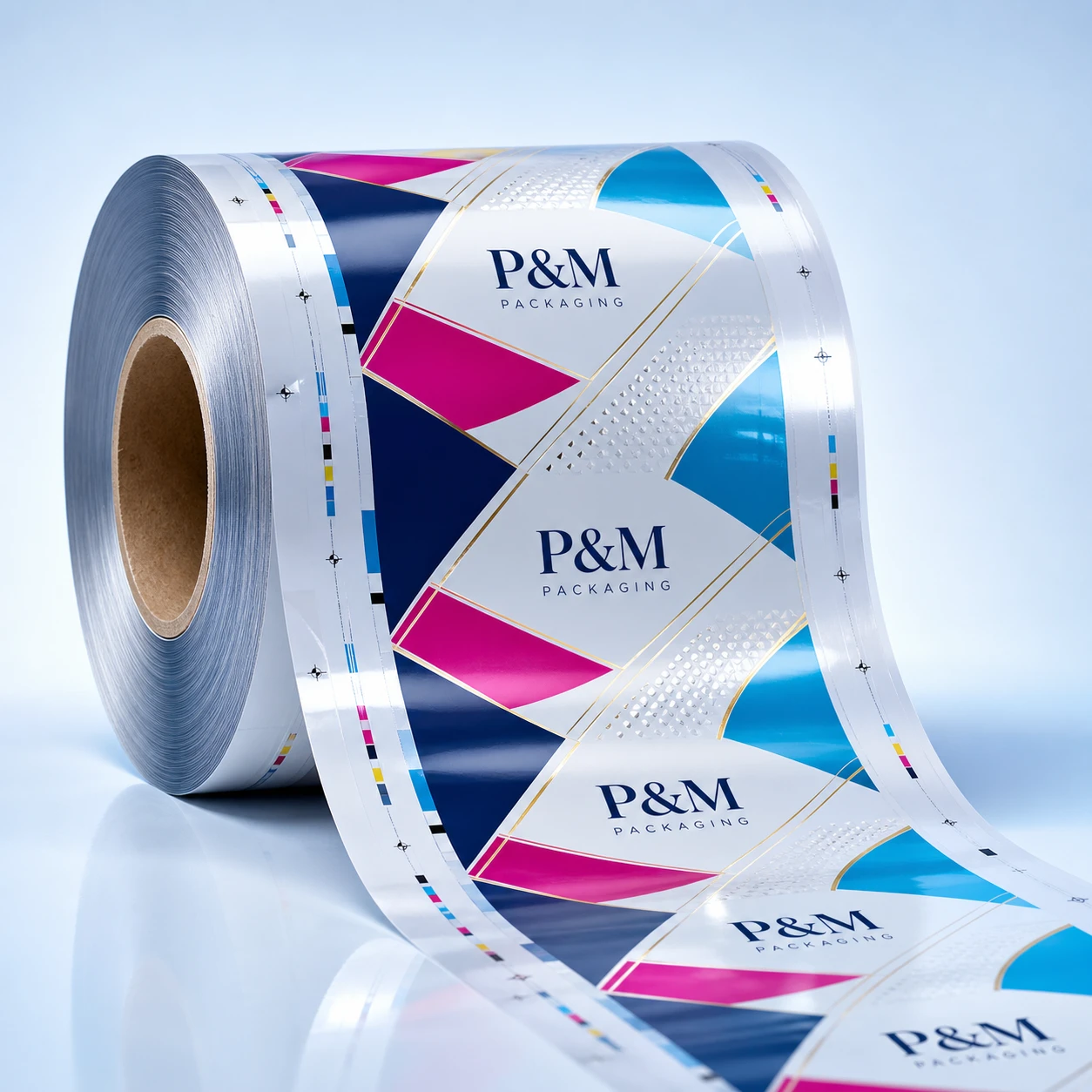
Web width, repeat, lane count, eye marks, unwind, and roll configuration developed from the filling machine specification.
Explore printed rollstock →Single-serve products often need high barrier per dose—moisture for powders, oxygen and light for actives, compatibility for liquids.
Line trials, seal checks, and retail cartons or variety packs coordinated around the single-serve format.
Explore secondary packaging →Drink mixes, electrolytes, supplements, instant coffee, spices, sauces and condiments, personal-care samples, and pharmaceutical-adjacent products all run in single-serve formats, but each combination of product, dose, and use pattern points to a different pack. Powder flow, particle size, liquid viscosity, tear or cut opening, and where the consumer uses the product—on the go, in a kitchen, at a gym—drive format, dimensions, and opening features.
Pour-friendly stick-format concepts and sachets with moisture barrier and clean tear opening.
Liquid-tight seals, compatible sealants, and viscosity-matched dosing reviewed with the filling process.
Small-format sachets with product-compatible structures and premium print for sampling programs.
Single-dose formats with barrier, coding space, and information-panel planning for regulated labels.
A sachet is a flat rectangular pack sealed on three or four sides, suited to powders, granules, liquids, gels, and creams from samples to single servings. A stick pack is a long narrow tube with end seals, designed to pour a dose cleanly into a bottle, glass, or directly into the mouth—common for drink mixes, electrolytes, and nutrition powders. Stick packs typically use less film per dose and pack densely, while sachets offer more artwork space and a familiar tear-open experience. Both are formed from printed rollstock on form-fill-seal equipment, so the machine defines much of the specification.
Single-serve formats are defined by the machine: web width, print repeat, lane count, eye marks, cutoff, seal style, and coding position all follow the equipment specification. Provide the machine make and model, target pack dimensions, dose, line speed, and the co-packer's approved roll specification early—artwork and dielines should be built on the confirmed web layout, not before it.
A single-serve pack is opened once, so seal integrity and opening behavior carry the experience. Moisture-sensitive powders need tight barrier and dust-controlled seals; liquids need compatible sealants and leak performance; tear notches, laser scoring, and cut direction determine whether the pack opens cleanly at the point of use. Validation typically includes seal, leak, drop, and line trials plus filled-pack checks against the dose.
Small formats compress branding, mandatory copy, and coding into limited space across multiple lanes. Plan minimum type sizes, barcode placement and quiet zones, lot and date coding areas, and lane-to-lane registration with the dieline, and coordinate retail cartons, counter displays, or variety packs so the single-serve pack and its shelf container work as one system.
Packaging Knowledge Center
Use these practical articles to prepare specifications, identify project risks, and ask better questions before sampling or production.
Most single-serve programs run from printed rollstock formed, filled, and sealed on the brand's or co-packer's equipment, because premade handling at these sizes is rarely economical. Premade flat pouches can be reviewed for suitable lower-volume applications. The right route depends on the product, dose, equipment access, and quantities.
Rollstock minimums depend on web width, structure, print route, and quantity per artwork. Multi-lane layouts mean even modest roll quantities produce large pack counts, so single-serve MOQs are often discussed in packs per SKU. Quantities are confirmed at quotation with the machine specification.
Liquid single-serve packs need product-compatible sealant layers, liquid-tight seal performance, and barrier matched to the product's chemistry and shelf-life target. The exact laminate is confirmed against the product, filling temperature, and validation testing.
Share the situation in the brief. Options such as co-packer coordination, premade formats where suitable, or equipment-planning discussions can be reviewed with the project quantities and timeline.