 WhatsApp
Application scenario · Not a customer case study
Sauce packaging
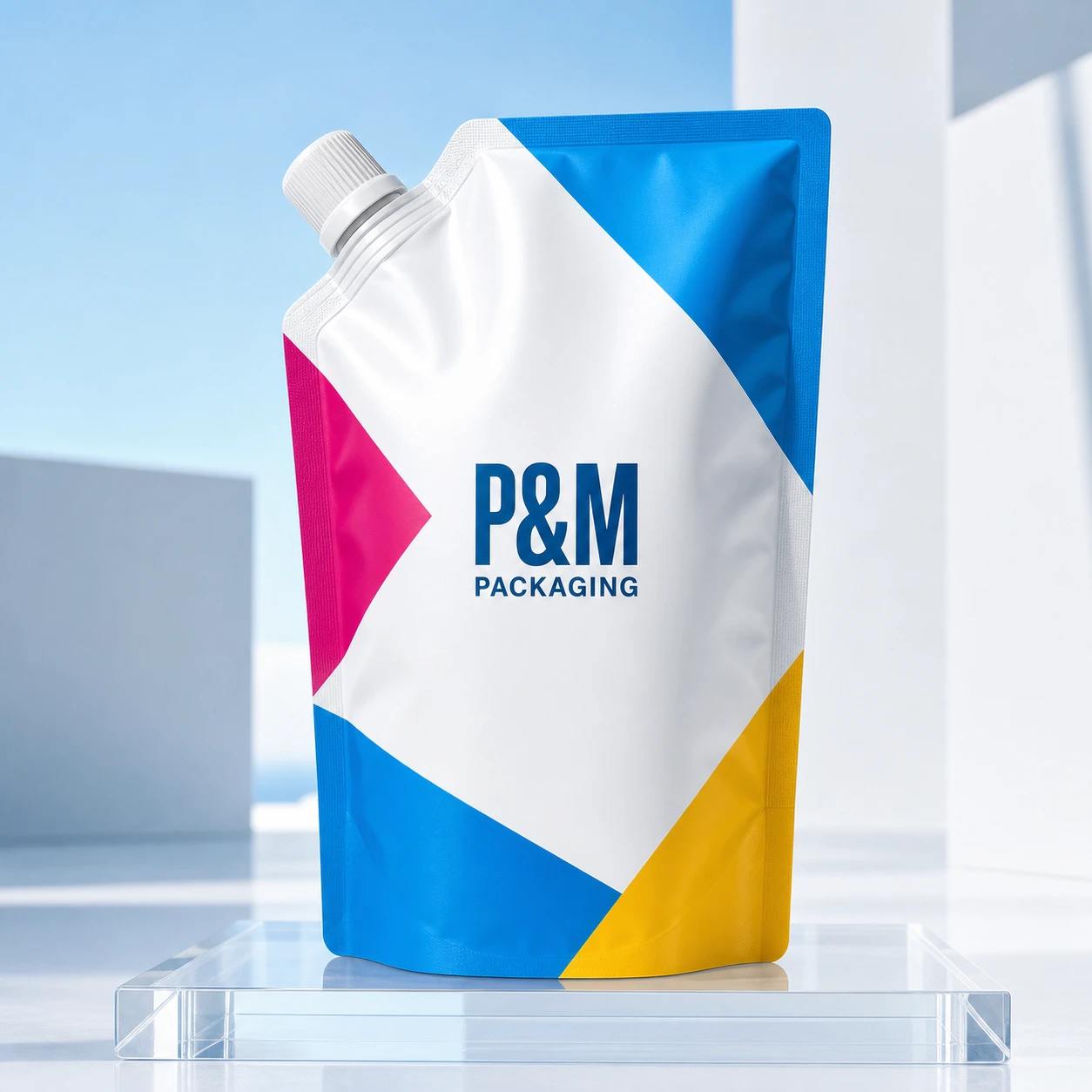
Custom Sauce Pouch Packaging, Packets & Spout Bags
Develop custom sauce pouch packaging around sauce chemistry, viscosity, particles, portion size, filling temperature, dispensing, barrier, seals, storage, processing, and distribution.
Direct answer
Custom sauce pouch packaging can use portion packets, premade flat pouches, spouted bags, or printed rollstock for form-fill-seal equipment. The correct route depends on sauce chemistry, viscosity, particles, dose, filling method and temperature, dispensing, storage, shelf-life target, and distribution. P&M coordinates the pouch or film, spout and cap, seals, printing, testing, cartons, quantities, and delivery through China owned-factory production and U.S.-based project support.
Verified service baselines
A controlled route from sauce brief to production
P&M confirms the product, process, pouch or rollstock specification, testing plan, quantity, and delivery route before a performance or shelf-life claim is made.
- General production baseline
- 100+ / SKUFormal production generally starts from 100 pieces per SKU; rollstock, fitments, and process-specific minimums can differ.
- Paid sampling
- From 1 pieceSample work can support size, fit, material, print, spout, dispensing, or approval decisions for the exact sauce project.
- Production and U.S. support
- China + U.S.Owned-factory production in China with U.S.-based service personnel and a self-operated Los Angeles warehouse.
- Response targets
- 12 h / 24 hReply target within 12 hours and quotation target within 24 hours for a sufficiently defined project.
Buyer comparison
Compare sauce pouch packaging routes
The format must match viscosity, particles, dose, filling equipment, processing conditions, dispensing behavior, and leak risk.
| Format | Best fit | Filling route | Critical checks |
|---|---|---|---|
| Portion packet / sachet | Ketchup, dips, dressings, samples, and foodservice portions | Usually formed, filled, and sealed from printed rollstock | Dose, viscosity, particles, lanes, web, seal contamination, tear opening, and coding |
| Spouted pouch | Multi-use sauces, refills, purees, syrups, and controlled dispensing | Premade pouch filling through the fitment or approved opening | Spout bore, flange, cap, flow, fill temperature, weld integrity, torque, drops, and leaks |
| Premade flat pouch | Single-use or compact sauce packs where a converted pouch fits the line | Fill through an open side, then apply the final seal | Opening width, sauce in the seal area, material compatibility, final seal, storage, and distribution |
| Printed rollstock | High-volume sachet or equipment-formed sauce packs | VFFS, HFFS, sachet, or other approved form-fill-seal equipment | Machine model, web, repeat, unwind, sealant, coefficient of friction, filling temperature, and line trials |
Ambient fill, hot fill, pasteurization, and retort are different packaging systems; a film or fitment approved for one route should not be assumed suitable for another.
Start with your need
What needs to happen next?
No finished specification required. Send a product or reference photo on WhatsApp.
Sauce Pouch Packaging
Premade spouted or non-spouted pouches reviewed around viscosity, particles, fill volume, flow, fitment, cap, seals, and consumer dispensing.
Explore spouted pouches →Sauce Packets & Sachets
Sauce packet rollstock and condiment sachet film coordinated around dose, web, repeat, seal contamination, tear opening, coding, and packing equipment.
Explore sauce sachets and packets →Sauce Bottle Sleeve-Label Review
A buyer request for bottle decoration is routed to the shrink sleeve owner; availability and the exact proposal remain unconfirmed until the responsible supplier responds in writing.
Review shrink sleeve label inputs →Shipping Cases
Leak risk, package orientation, dividers, case count, compression, vibration, palletization, and temperature exposure guide pack-out.
Explore shipping packaging →One-stop sauce packaging solution
Coordinate sauce sachets, dispensing pouches, cartons, and shipping cases.
Sauce packaging can combine portion packets, spouted pouches, multipack cartons, foodservice formats, and corrugated cases. P&M organizes the components around viscosity, particles, filling, dispensing, process, leak performance, and channel.
Discuss this applicationSend the product, format, quantity, and current challenge.
View the complete packaging system and approval inputs
Single serve
Sauce packets and rollstock
Dose, viscosity, particles, web, repeat, tear opening, seal contamination, coding, and packing equipment guide the specification.
Explore format Dispensing packSpouted sauce pouches
Film, pouch geometry, spout, cap, flow, filling, seals, product compatibility, and leak performance are developed together.
Explore format Retail layerMultipack cartons
Pouch or bottle count, fit, required information, product exposure, and merchandising guide the carton structure.
Explore format DistributionCorrugated shipping cases
Leak risk, orientation, dividers, case count, compression, vibration, temperature, and palletization guide pack-out.
Explore formatWhat to bring
Inputs for the first packaging review
- Sauce type, chemistry, viscosity and particles
- Dose or fill volume
- Filling method, temperature and process
- Spout, cap, tear and dispensing needs
- Storage, shelf life and distribution
- SKUs, channels, quantities and timing
What to confirm
Verification before production
- Product-to-package compatibility plan
- Filling-line and seal-contamination trials
- Spout weld, cap, seal and leak performance
- Artwork, coding and responsible label approval
- Filled-pack drop and distribution testing
View more technical specifications 6 sections
Choose sauce packets, spouted pouches, or bottles
Single-serve ketchup, condiment, dressing, and dipping-sauce packets are commonly formed from printed rollstock on sachet equipment. Spouted pouches suit controlled pouring or refill use. If a bottle project requests a shrink sleeve label, treat it as an unconfirmed adjacent route until the responsible supplier accepts the final-container application in writing. The primary-package decision depends on dose, viscosity, particles, filling equipment, opening experience, storage, and distribution.
Condiment packet rollstock
Specify dose, lanes, web, repeat, sealant, tear opening, coding, and machine direction for the approved sachet line.
Explore printed packet rollstock →Spouted sauce pouches
Coordinate spout bore, cap, flange, pouch geometry, filling interface, welds, flow, and leak testing for the exact sauce.
Explore spouted bags →Sauce packaging starts with the product and process
Share the sauce type, relevant ingredients, acidity or product data if known, viscosity, particles, fill volume, filling method and temperature, storage, processing, shelf-life target, quantities, and intended market.
- Hot sauce and chili sauce
- BBQ, dipping, and condiment sauces
- Purees, syrups, and cooking sauces
- Single-serve packets and foodservice formats
- Retail spouted pouches, bottles, cartons, and cases
Match viscosity and particles to dispensing
Spout diameter, flow, cap, pouch geometry, headspace, dose accuracy, tear opening, and consumer use should match the product. Particles, fibers, oils, and sauce thickness can affect filling, flow, seals, and fitments.
Review seals, compatibility, temperature, and leak performance
Product chemistry, oils, aroma, oxygen, moisture, filling temperature, hot-fill or retort conditions, seal contamination, fitment welds, cap torque, flexing, drops, and distribution guide the complete specification and validation plan.
Coordinate primary packs, cartons, and cases
Sauce sachets, spouted pouches, multipack cartons, foodservice boxes, and shipping cases can be planned together while every component retains its own material, artwork, filling, testing, and production requirements. A requested shrink sleeve label stays outside this confirmed sauce scope until the responsible supplier responds in writing.
If a sauce buyer asks about a bottle sleeve label
Treat the request as an application context, not as evidence that P&M currently supplies that exact route. Send the final bottle and closure, product and filling conditions, desired coverage, artwork status, application method, quantities, destination, and timing to the shrink sleeve owner. The responsible supplier must confirm availability, construction, limits, samples, and approval steps in writing.
Buyer request
Document the desired decoration, information, opening objective, product environment, and reference package without presenting an unverified construction as available.
Open the governed shrink sleeve owner →Written supplier response
Require the responsible supplier to state the proposed route, exclusions, sample needs, acceptance criteria, and approval responsibilities for the exact project.
Packaging Knowledge Center
Professional guides for this application
Use these practical articles to prepare specifications, identify project risks, and ask better questions before sampling or production.
View 6 more related guides
Sauce Packaging GuideHow to Specify Sauce Pouch Packaging→Rollstock Specification GuideHow to Specify Sauce Packet and Condiment Sachet Film→Thermal Process ComparisonHot-Fill Pouches vs Retort Pouches→Spout & Fitment GuideHow to Select a Spout, Cap and Fitment→Specification GuideWhat Information Is Needed to Specify a Spouted Pouch?→Shrink Sleeve Buyer GuideHow to Specify Custom Shrink Sleeve Labels→
Frequently asked questions
What packaging formats can be used for sauces?
Depending on the sauce and process, formats may include portion sachets, printed rollstock, flat pouches, spouted pouches, folding cartons, foodservice boxes, and shipping cases. A bottle shrink-sleeve request is reviewed separately and remains unconfirmed until the responsible supplier responds in writing for the final container and application.
Are sauce packets made from printed rollstock?
Often, yes. Ketchup packets, condiment sachets, and other portion packs are commonly formed, filled, and sealed from printed rollstock. The web width, repeat, unwind, lanes, sealant, tear opening, coding, viscosity, particles, dose, and equipment requirements must be confirmed with the packing line.
Can a spouted pouch be used for hot sauce?
Potentially, but product chemistry, viscosity, particles, fill temperature, film, spout, cap, weld, seals, process, storage, and leak or distribution testing must be reviewed for the exact sauce.
View 2 more questions
Can P&M coordinate sauce pouches, cartons, and cases?
P&M can review a program of sauce pouches, cartons, and cases while retaining component-specific specifications, artwork, filling, validation, production, and approval requirements. A requested shrink sleeve label requires a separate written supplier response and is not represented as part of the confirmed sauce route on this page.
What should a sauce brand provide for a shrink sleeve review?
Provide the final bottle or jar and closure, product and filling conditions, intended coverage, approved artwork, application equipment, tunnel details, storage, quantity by size and artwork, destination, target timing, and any special appearance or opening objective. Specialty requirements remain unconfirmed until documented for the exact project.